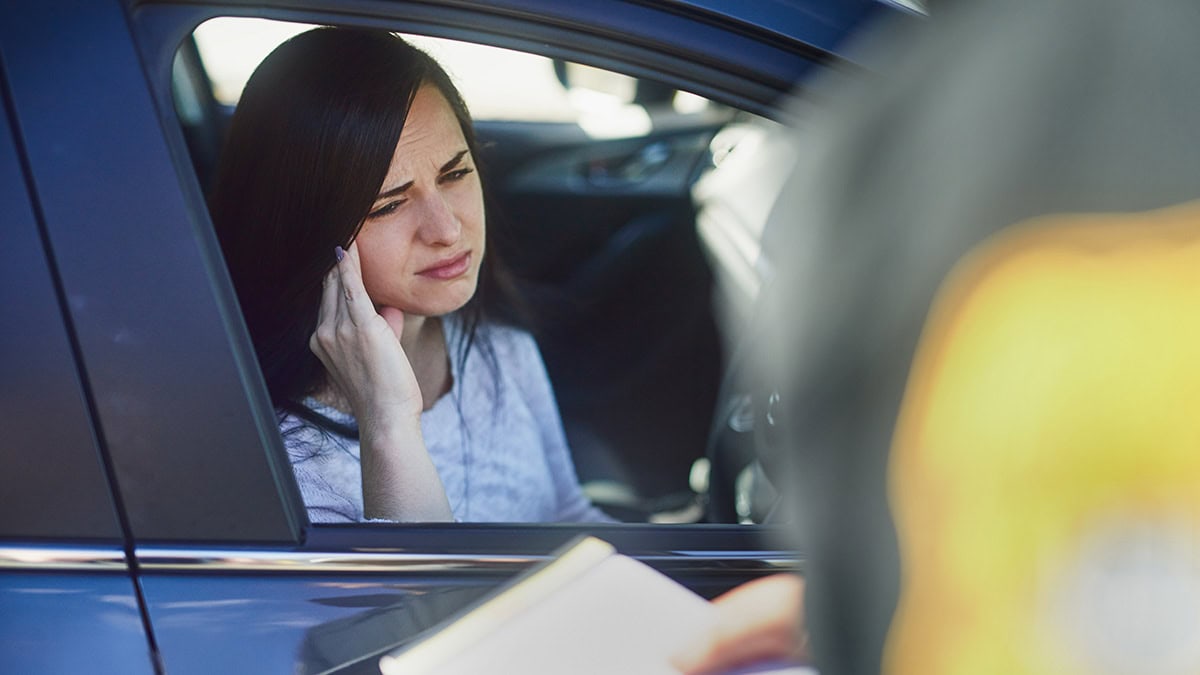
Losing your driver’s licence can create immediate problems.
You may rely on your licence to get to work, operate a business, care for children, attend medical appointments or travel in an area where public transport is limited. A suspension notice can therefore feel like much more than an inconvenience.
If your licence has been suspended in NSW, the first question is usually:
Can I do anything about it?
In some circumstances, yes. Depending on why your licence was suspended, you may be able to appeal the decision to the NSW Local Court, elect a good behaviour period or take another step before the suspension begins.
The options are not the same for every type of suspension, and strict time limits can apply.
Michelle Duncan has more than 30 years of experience practising Criminal and Traffic Law in New South Wales and represents drivers facing licence suspensions and traffic proceedings throughout NSW.
This article explains the general options that may be available and what you should consider doing after receiving a licence suspension notice.
General information only: This article provides general information about NSW licence suspensions and should not be relied upon as legal advice. Your available options depend on the type of licence, the reason for the suspension and your individual circumstances.
What should I do first if my licence has been suspended in NSW?
Start by reading the suspension notice carefully.
The notice should tell you:
- who has suspended your licence;
- why the suspension has been imposed;
- when the suspension starts;
- how long it is expected to last;
- whether you have a right of appeal; and
- whether another option, such as a good behaviour period, may be available.
Do not assume that every suspension can be challenged in the same way.
A suspension imposed by NSW Police may have different appeal rights and time limits from a suspension imposed by Transport for NSW.
Your licence class also matters.
Before deciding what to do, identify exactly which type of suspension you have received.

Who can suspend a driver licence in NSW?
Licence suspensions can arise in several different ways.
Common examples include decisions by:
NSW Police
Police can impose immediate licence suspensions in certain circumstances.
These may arise following particular serious speeding, drink driving or drug driving allegations.
Transport for NSW
Transport for NSW may issue suspension notices for matters such as:
- accumulating excessive demerit points;
- particular speeding offences;
- provisional or learner licence offences; and
- other licensing matters.
The Court
A court can also make orders that prevent a person from driving.
It is important to distinguish between a licence suspension and a court-imposed disqualification, because the legal options available may be different.
Can you appeal a licence suspension in NSW?
Some NSW licence suspensions can be appealed to the Local Court, but not every suspension is appealable.
According to Service NSW, you may be able to appeal where your licence has been suspended by police or where Transport for NSW has issued a decision letter stating that you have a right to appeal.
Examples of suspensions that may be appealable include certain suspensions involving:
- speeding more than 30 km/h over the speed limit;
- speeding more than 45 km/h over the speed limit;
- immediate police suspensions;
- low, special or novice range prescribed concentration of alcohol matters;
- certain drug driving matters; and
- excess demerit points for learner and provisional licence holders.
Whether you have a right of appeal depends on the exact decision that has been made.
For that reason, the suspension notice itself is one of the first documents that should be reviewed.
How long do I have to appeal a licence suspension?
Time limits can be short.
Service NSW states that Transport for NSW licence and registration appeals generally need to be filed in the Local Court within 28 days of receiving the relevant decision letter.
For an immediate police licence suspension, Legal Aid NSW states that an appeal generally needs to be filed within 28 days from the date of the on-the-spot suspension.
For some Transport for NSW suspensions, the appeal must also be lodged before the suspension begins.
This is one reason it can be risky to put the letter aside and assume you can deal with it later.
If you are considering an appeal, check the date on the suspension notice immediately.
Does lodging an appeal mean I can keep driving?
Not necessarily. An appeal does not automatically mean that the suspension stops operating.
Different rules can apply depending on the type of suspension.
In some circumstances, a person may need to seek a stay of the suspension while the appeal is waiting to be heard.
For certain police suspensions, the Local Court can only grant a stay in exceptional circumstances. The court may consider matters including the strength of the prosecution case, the person’s need for a licence, potential danger to the community and other relevant matters.
Do not assume that filing an appeal gives you permission to drive.
You should confirm your licence status before driving.
What happens at a licence suspension appeal?
A licence suspension appeal is generally heard in the NSW Local Court.
After an appeal is filed, the court provides details of the hearing date and location.
The NSW Online Registry advises that the person appealing should attend the hearing and bring copies of the filed documents and any material supporting the appeal.
The exact issues the court considers depend on the type of suspension.
Relevant material may include evidence about:
- why you need your licence;
- your employment;
- business responsibilities;
- family responsibilities;
- medical or caring commitments;
- your driving history;
- the circumstances surrounding the suspension; and
- other matters relevant to the particular appeal.
The fact that losing a licence creates inconvenience does not automatically mean an appeal will succeed.
The application needs to be prepared around the legal test that applies to that suspension.
What evidence can help in a licence appeal?
The documents required will depend on your individual circumstances.
Useful evidence may include:
- your suspension notice;
- your driving record;
- an employment letter;
- evidence of working hours;
- information about travel requirements;
- evidence of business responsibilities;
- medical or caring documentation;
- information about public transport availability;
- evidence about family responsibilities; and
- other documents relevant to why a licence is important to you.
A letter that simply says “I need my licence for work” may not explain the situation very well.
Where employment is relevant, it can be more useful for supporting material to explain:
- what your job involves;
- why driving is necessary;
- how often you drive;
- whether alternative duties are available;
- whether public transport is practical; and
- what may happen if you cannot drive.
Careful preparation can make it easier for the court to understand your circumstances.

What is an immediate police licence suspension?
An immediate suspension can take effect when police issue the suspension notice rather than waiting for a later administrative decision.
Immediate suspensions can apply in a range of circumstances, including certain serious traffic, speeding, drink driving and drug driving matters.
If you receive an immediate suspension, read the notice carefully.
The fact that the suspension operates immediately can make timing particularly important if you intend to consider an appeal.
If the suspension relates to a criminal or traffic charge, the licence issue may also exist alongside separate court proceedings for the alleged offence.
Those are connected issues, but they are not necessarily the same proceeding.
Can I appeal a demerit point suspension?
It depends on the type of licence you hold.
Learner and provisional drivers may be able to appeal certain demerit point suspensions to the Local Court.
For unrestricted licence holders, the position is different.
Legal Aid NSW states that an unrestricted licence holder generally cannot appeal an excess demerit point suspension in the same way. Instead, they may be eligible to elect a 12-month good behaviour period before the suspension begins.
This distinction is important.
A person with a provisional licence and a person with an unrestricted licence may receive demerit point suspension notices but have very different options.
What is a Good Behaviour period?
If you hold an unrestricted NSW driver licence and receive a suspension notice because of excessive demerit points, you may be eligible to elect a 12-month good behaviour period instead of serving the suspension.
You must make the election before the suspension starts.
Service NSW states that the suspension letter must indicate that you are eligible and that learner and provisional licence holders are not eligible for this option.
During the 12-month period, you need to comply with the applicable demerit point requirements.
If you accumulate two or more demerit points during the good behaviour period, your licences can be suspended for twice the original suspension period.
That makes the decision to elect good behaviour something that should be considered carefully.
Can I change my mind after choosing Good Behaviour?
Service NSW currently states that once you have applied for the good behaviour period, you cannot simply change your mind and choose to serve the original suspension instead.
Before making the election, make sure you understand the conditions and the consequences of receiving further demerit points.
What if I am a professional driver?
Professional drivers may have additional considerations.
Eligible professional drivers can apply for an increased demerit point threshold.
Service NSW currently states that qualifying professional drivers may be able to increase their limit, and if the application is successful they can continue driving unless they later reach or exceed the applicable higher threshold.
Eligibility requirements apply.
If your work involves paid driving, this is something worth checking as soon as you receive a suspension notice.
Can I drive while my licence is suspended?
No. You should not drive while your licence is suspended unless you have lawful authority to do so.
Driving while suspended is a separate offence and can lead to further penalties and additional licence consequences.
Legal Aid NSW specifically warns that driving while suspended can result in serious penalties, including further disqualification, fines and potentially imprisonment.
If you have lodged an appeal, do not assume that means you can drive.
Confirm your licence status before getting behind the wheel.
What if I need my licence for work?
The importance of your licence to your employment can be highly relevant in some licence appeal matters.
But telling the court that you need to drive for work is not necessarily enough by itself.
The circumstances need to be explained properly.
For example:
- Are you required to drive between multiple work sites?
- Do you carry equipment?
- Do you start or finish outside public transport hours?
- Are you self-employed?
- Could your employment end if you cannot drive?
- Are there alternative duties?
- Can anyone else perform the driving component of your job?
A clear explanation supported by evidence may be much more useful than a general statement about needing a licence.
What if I need my licence for family or caring responsibilities?
Employment is not the only reason a licence may be important.
People may also rely on a licence to:
- take children to school;
- care for elderly parents;
- transport a family member with a disability;
- attend regular medical appointments;
- manage shared parenting arrangements; or
- travel in regional areas with limited public transport.
Again, the relevance of these factors depends on the particular legal test applying to the appeal.
Where they are relevant, supporting documents can help explain the practical impact of losing the licence.
What Should I Avoid Doing After Receiving a Suspension Notice?
There are several mistakes that can make a difficult situation worse.
Do not ignore the notice
Appeal and election deadlines can expire quickly.
Do not assume you can still drive
Check the commencement date and current status of your licence.
Do not drive while suspended
This can create a new traffic offence.
Do not assume every suspension is appealable
The available options depend on the type of suspension and licence.
Do not wait until the last day
Preparing an appeal properly may require supporting documents from employers, family members, doctors or other people.
Do not rely only on what someone else did
Licence appeal outcomes depend on individual circumstances and the legislation applying to the particular suspension.
Do I need a traffic lawyer for a licence suspension appeal?
You can represent yourself in some licence appeal proceedings.
However, obtaining legal advice can help you understand:
- whether the suspension is appealable;
- the relevant filing deadline;
- what legal test applies;
- whether a stay may be required;
- what evidence may assist;
- what to expect at the Local Court; and
- how the suspension interacts with any related traffic charge.
Michelle Duncan represents drivers in licence appeals and traffic law matters throughout Sydney and New South Wales.
With more than 30 years of experience practising Criminal and Traffic Law, she provides practical advice about the options available and prepares matters according to the individual circumstances of the driver.

How do I prepare for a licence suspension appeal?
Start by gathering the documents relevant to the suspension.
These may include:
- suspension notice;
- driver licence details;
- driving record;
- employment documents;
- employer letter;
- business records;
- medical documents;
- caring responsibility information;
- evidence about travel requirements;
- public transport information; and
- any material connected with the incident that led to the suspension.
The NSW Online Registry confirms that supporting material should be taken to the hearing along with the court-sealed appeal documents.
Your preparation should focus on the issues relevant to the type of appeal being made.
Key takeaways if your licence has been suspended in NSW
01. Read the suspension notice
Identify who suspended your licence, why it was suspended and when the suspension begins.
02. Check your appeal rights
Some police and Transport for NSW suspensions can be appealed to the Local Court, but not every suspension can be challenged.
03. Check the deadline immediately
A 28-day appeal period applies to a number of licence suspension decisions, and some appeals must be filed before the suspension starts.
04. Do not assume you can drive
Filing an appeal does not automatically mean the suspension has stopped operating.
05. Consider Good Behaviour if eligible
Unrestricted licence holders facing an excess demerit point suspension may be able to elect a 12-month good behaviour period before the suspension begins.
06. Prepare supporting evidence
Employment, family, medical and travel evidence may be relevant depending on the type of appeal.
Frequently Asked Questions
Can I appeal my licence suspension in NSW?
Sometimes. Certain police suspensions and Transport for NSW licence decisions can be appealed to the NSW Local Court. Your suspension notice should indicate whether appeal rights apply.
How long do I have to appeal?
Many licence appeals are subject to a 28-day time limit. Immediate police suspensions generally need to be appealed within 28 days of the suspension, while some Transport for NSW appeals must be lodged before the suspension starts.
Can I keep driving while my appeal is pending?
Not automatically. Depending on the type of suspension, you may require a stay before you can lawfully continue driving. Never assume an appeal itself permits you to drive.
Can I appeal a demerit point suspension on a full licence?
An unrestricted licence holder generally cannot appeal an ordinary excess demerit point suspension in the same way as a learner or provisional licence holder. A 12-month good behaviour period may instead be available if the eligibility requirements are met.
Can a P-Plater appeal a demerit point suspension?
A provisional licence holder may be able to appeal an excess demerit point suspension to the NSW Local Court. The circumstances and notice should be reviewed before filing an appeal.
What happens if I drive while suspended?
Driving while suspended is a separate traffic offence. It can result in further penalties and licence consequences.
What should I bring to a licence appeal?
Bring your filed court documents and any supporting material relevant to the appeal, which may include employment, financial, medical, family, driving or travel evidence.
Licence suspension and traffic law representation across NSW
Duncan Criminal Law represents drivers facing licence suspensions, licence appeals and traffic charges throughout Sydney and New South Wales.
Michelle Duncan has more than 30 years of experience practising Criminal and Traffic Law and provides clear, realistic advice about licence matters and NSW Local Court proceedings.
If you cannot attend the Sydney office in person, confidential consultations can also be arranged by telephone or secure video conference.
Licence suspended in NSW?
If you have received a licence suspension notice, an immediate police suspension or a Transport for NSW decision, obtaining advice early can help you identify your options before an appeal or election deadline expires.
Michelle Duncan represents clients in licence suspension appeals and traffic law matters throughout New South Wales and provides practical advice based on the circumstances of each case.
Duncan Criminal Law
1/299 Elizabeth Street
Sydney NSW
Phone: 0448 946 529
Email: info@duncancriminallaw.au
Contact Duncan Criminal Law to discuss your matter confidentially.